
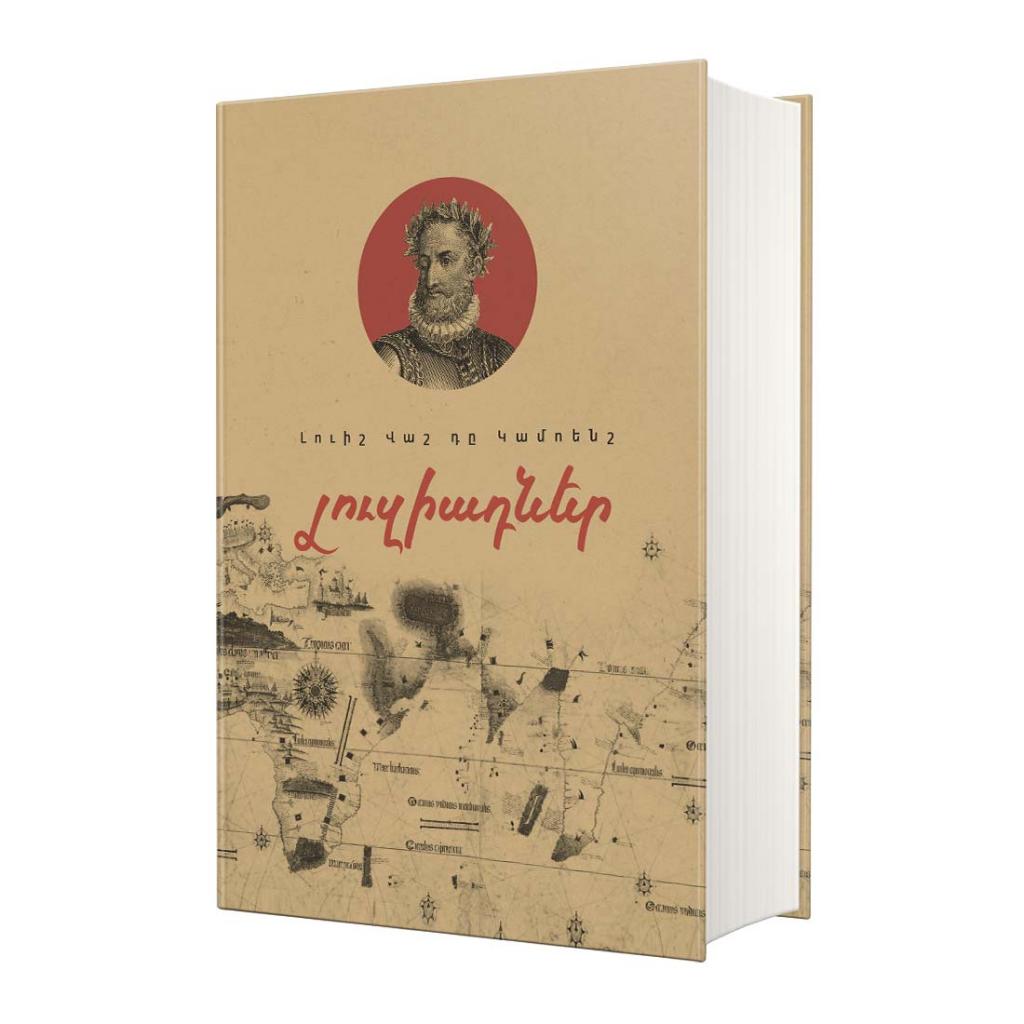

Description
Luis Vaz de Camoes - The Lusiads (The National Epic of Portugal)
Luís Vaz de Camões’ The Lusiads is one of the most important works of Portuguese literature and is, in essence, the national epic of Portugal. This great heroic poem equates the voyage of Portuguese navigators to India with the feats of ancient Greco-Roman heroes. The Lusiads was published in 1572, during the Portuguese Renaissance. The poem consists of 1,102 stanzas of eight lines each, a total of 8,816 lines. Structured into ten cantos, each composed in ottava rima, The Lusiads recounts the voyages of the Portuguese “through seas never before sailed.” The narrative gains its epic character through the interweaving of historical and mythological episodes in the lives of its heroes. Although Camões wrote The Lusiads to glorify the history and achievements of the Portuguese people, the themes and contexts it raises also resonate with the rich histories and traditions of other nations, including the Armenians. The masterpiece contains direct references to Armenians and Armenian kingdoms. The work has been translated into Armenian for the first time and has been published within the Translation Series of the Portugal–Armenia Friendship Union.
Luís Vaz de Camões’ The Lusiads is one of the most important works of Portuguese literature and is, in essence, the national epic of Portugal. This great heroic poem equates the voyage of Portuguese navigators to India with the feats of ancient Greco-Roman heroes. The Lusiads was published in 1572, during the Portuguese Renaissance. The poem consists of 1,102 stanzas of eight lines each, a total of 8,816 lines. Structured into ten cantos, each composed in ottava rima, The Lusiads recounts the voyages of the Portuguese “through seas never before sailed.” The narrative gains its epic character through the interweaving of historical and mythological episodes in the lives of its heroes. Although Camões wrote The Lusiads to glorify the history and achievements of the Portuguese people, the themes and contexts it raises also resonate with the rich histories and traditions of other nations, including the Armenians. The masterpiece contains direct references to Armenians and Armenian kingdoms. The work has been translated into Armenian for the first time and has been published within the Translation Series of the Portugal–Armenia Friendship Union.
| Title in Armenian | Լուիշ Վաշ դը Կամոենշ - Լուզիադներ |
|---|---|
| Author(s) | Luis Vaz de Camoes |
| Translator(s) | Lusine Brutyan |
| Language(s) | Armenian |
| Publisher(s) | Edit Print |
| Year | 2025 |
| Pages | 536 |
| Binding | Hardcover |
| Printing | Black & White |
| Size | 16.5 x 24 cm |
| ISBN | 9789939400754 |